


Becoming an acupuncturist is a promising and respected career within the healthcare space. But before you decide this is the path for you, fully answering “why you should become an acupuncturist” is necessary. Acupuncture is a comprehensive system that examines and treats the entire body as a single interconnected element. As an acupuncturist, you’ll use Chinese medicine techniques to help patients manage their pain, improve overall health, and maintain energy balance within their bodies.
You can use Chinese medicine to help a wide variety of people with conditions ranging from pain and insomnia to more complicated health needs like fertility, chronic illness, and even acute injuries. Acupuncturists may even practice cosmetically using techniques to lessen wrinkles and improve signs of aging.
What is an Acupuncturist?
An acupuncturist is a healthcare professional who practices Chinese medicine and uses fine needles inserted into specific points on the body to stimulate and balance the body’s energy, known as qi (pronounced “chee”).
They aim to ease pain, treat various physical, mental, and emotional conditions, and promote overall wellness. Although the professional title is “acupuncturist”, these healthcare professionals also use additional modalities such as herbal prescriptions, diet therapy, movement therapy, and bodywork like cupping and gua sha.
Acupuncturists work in various settings, including private practices, integrative healthcare clinics, hospitals, and wellness centers, helping patients improve their health and quality of life through natural healing methods.
What does an acupuncturist do?
An acupuncturist may perform the following:
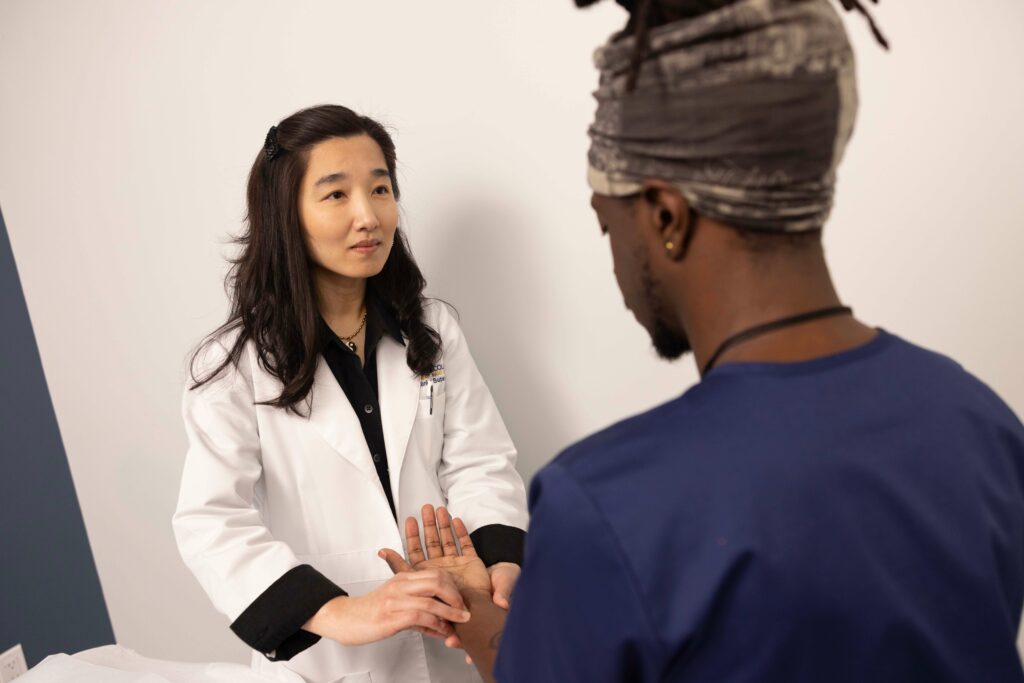
- Patient Assessment and Diagnosis: Evaluating patients’ health history, symptoms, and conditions to diagnose and create a personalized treatment plan.
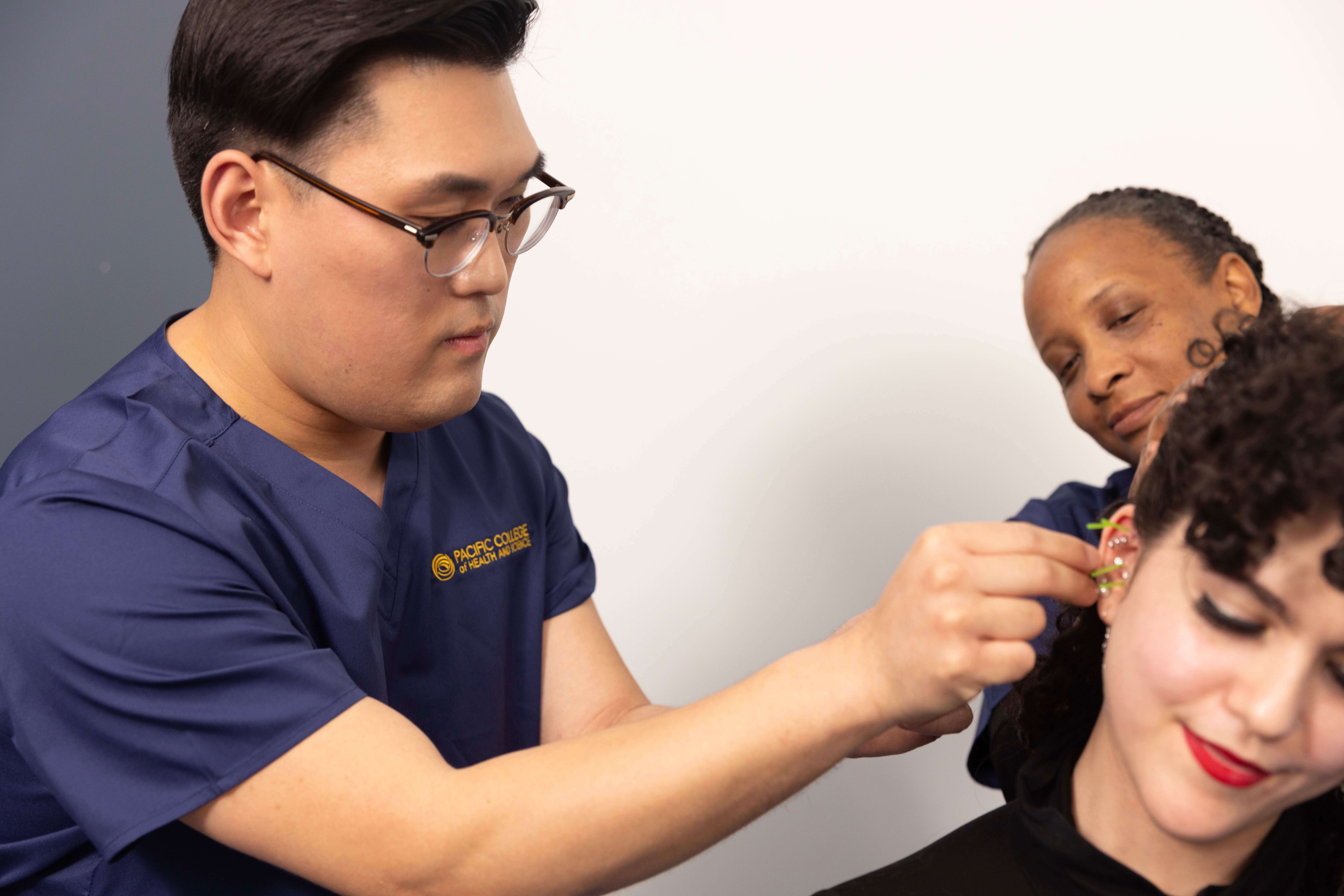
- Acupuncture: Inserting fine needles into specific points on the body to stimulate and balance the body’s energy flow (qi).
- Pain Management: Treating various types of pain, including chronic pain, migraines, and arthritis.
- Holistic Treatments: Providing treatments for a range of physical, emotional, and mental health issues.
- Patient Education: Advising patients on lifestyle changes, diet, and exercise to support their health.
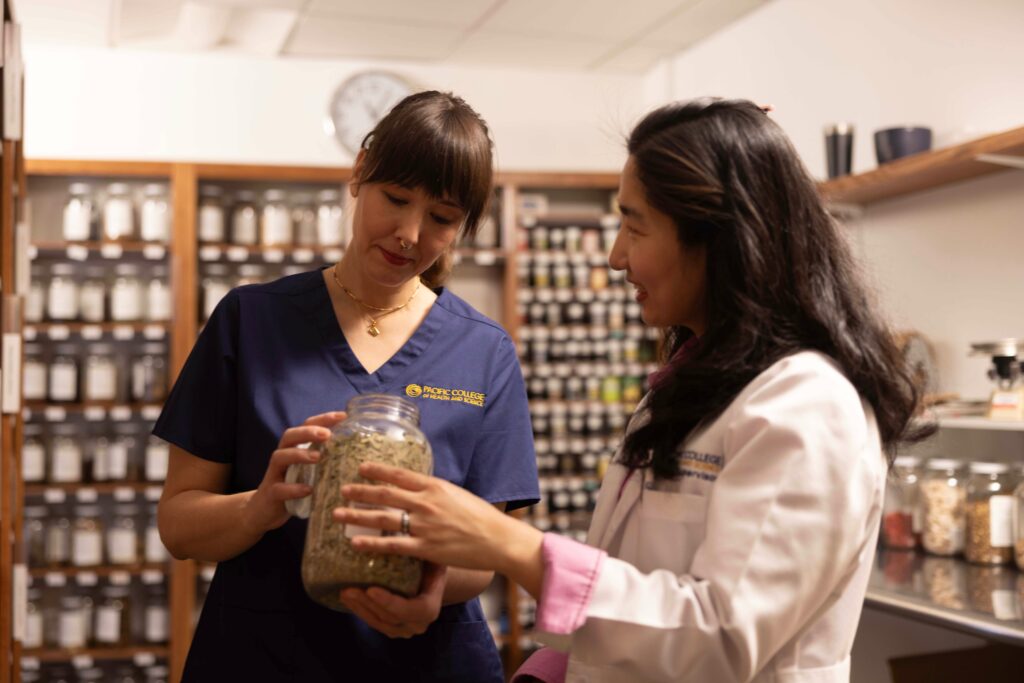
Chinese herbs: When appropriate, a Chinese herbal prescription may be added to the treatment plan
Is It Difficult to Become an Acupuncturist?
Becoming an acupuncturist requires a significant commitment to both formal education and practical experience, but it is a rewarding path for those passionate about traditional Chinese medicine (TCM) and helping others through holistic healing. While the process may seem challenging at first glance, it’s important to understand how each step contributes to your ability to practice acupuncture safely and effectively.
The difficulty of becoming an acupuncturist largely depends on the level of education and the specific acupuncture programs you choose. Whether you are pursuing a master’s degree or a more advanced doctorate program, the curriculum will be thorough, covering a range of topics including five-element theory, Chinese medicine principles, acupuncture treatment techniques, and patient care.
- Acupuncture Education: Most acupuncturists begin their journey by enrolling in an accredited acupuncture education program, typically a master’s degree that takes about three to four years to complete. These programs provide in-depth knowledge of acupuncture techniques, TCM practices, five-element theory, and the application of Chinese herbs. While these programs require significant time and effort, they lay the foundation for a successful acupuncture career.
- Theoretical and Practical Training: One of the challenges in acupuncture education is the combination of theoretical learning and hands-on clinical practice. You will not only study Chinese medicine concepts such as qi but also learn how to apply these ideas through real-life patient treatment scenarios. This requires a deep understanding of how to practice acupuncture and how to create effective treatment plans tailored to each patient’s needs.
- Advanced Education: For those interested in further specialization or advancing their career, doctorate programs in acupuncture offer advanced training in areas such as integrative medicine, patient management, and evidence-based acupuncture practices. These programs generally require several additional years of study and a higher level of academic rigor, which can present a more demanding learning experience.
- Certification and Licensing: After completing an acupuncture program, you’ll need to pass board exams, such as those offered by the National Certification Board for Acupuncture and Herbal Medicine (NCBAHM), and fulfill state-specific licensing requirements. This step can be difficult, as it tests both your practical skills and theoretical knowledge in acupuncture treatment, but it’s necessary to legally practice acupuncture in most states.
While it requires effort, dedication, and a willingness to learn, becoming an acupuncturist may not be overly difficult for those committed to the profession. The combination of acupuncture education, clinical training, and state certification ensures that you are fully prepared to provide effective acupuncture treatment and help patients achieve better health outcomes and a higher quality of life.
Educational requirements for acupuncturists
To become an acupuncturist in the U.S., simply learning acupuncture is not enough—you must complete an accredited acupuncture or Chinese medicine program. Specific acupuncturist education requirements may vary from state to state, but as of the writing of this article (August 2024), a master’s degree is the minimum educational requirement—although there is a growing trend towards requiring doctorate-level training.
Prerequisites:
- For a master’s program: 60 undergraduate level semester credits from an accredited institution.
- For a doctoral program: 90 undergraduate semester credits from an accredited institution.
- Some states may require specific prerequisite coursework. (Your admissions advisor can help with this!)
The curriculum for acupuncture certification includes a comprehensive range of subjects such as:
- Chinese Medicine Theory
- Acupuncture Techniques
- Adjunct Therapy techniques
- Physical Exam and Assessment skills
- Chinese Herbal Theory and Prescription
- Biomedical Sciences
- Practice Management
- Supervised Patient Treatments
These acupuncture programs ensure that students receive the necessary education and clinical training, preparing them for national board certification, state licensure, and successful careers as acupuncturists!
Are you interested in becoming a certified acupuncture professional?
Visit the links below to explore our specialized acupuncture programs at a campus near you:
Acupuncture licensing and certification requirements
Acupuncturists are licensed individually by each state. Some states require certification from the National Certification Board for Acupuncture and Herbal Medicine (NCBAHM). Other states, such as California, require a separate licensing exam administered by the state. In all states with licensing laws, completing accredited coursework in an acupuncture school, Clean Needle Technique training, and successful passage of exams is required.
Key acupuncturist requirements:
- NCBAHM certification or state-specific exams
- State Requirements: States may have additional requirements like specific certifications in Chinese herbology, or additional educational requirements such as injection therapy or biochemistry.
- Continuing Education: After licensure, practitioners must complete ongoing education to maintain their license, stay updated with new research, and guarantee patient safety.
- Other Certifications: Courses like Clean Needle Technique and CPR/First Aid may be required.
How long does it take to become an acupuncturist?
Master’s degree programs range from 9-12 terms (3-4 years) and professional doctorates range from 10-12 terms (4 years) around the country, with additional classes on topics such as interprofessional collaboration, helping graduates work well with other healthcare professionals to improve their patients’ outcomes. At Pacific College of Health and Science, both the master’s and doctoral programs typically take about 3 to 3 1/2 years without the study of herbal medicine.
Acupuncture degree programs at Pacific College of Health and Science*
- Doctor of Acupuncture (DAc)
- Program Length: 9 terms
- Credits: 150
- This entry-level program includes advanced studies in evidence-informed practice, biomedical diagnosis, and current healthcare systems. The curriculum covers acupuncture theory, needling techniques, body therapy, nutrition, and exercise therapy.
- Doctor of Acupuncture with a Chinese Herbal Medicine Specialization (DAcCHM)
- Program Length: 11 terms
- Credits: 190
- Building on the Doctor of Acupuncture curriculum, this program adds comprehensive training in Chinese herbal medicine. Students learn about the functions and indications of Chinese herbs, as well as their integration into patient care.
- Master of Science in Acupuncture (MSAc)
- Program Length: 9 terms
- Credits: 133.5
- This entry-level program option prepares students to become primary, independent healthcare providers. It focuses on acupuncture and related modalities of Chinese medicine.
- Master of Science in Acupuncture with a Chinese Herbal Medicine Specialization (MSAcCHM)
- Program Length: 11 terms
- Credits: 178.5
- Building on the Master of Science in Acupuncture (MSAc) curriculum, this program adds comprehensive training in Chinese herbal medicine. Students learn the functions and indications of Chinese herbs and how to integrate herbal therapies into patient care.
- Certificate in Chinese Herbal Medicine (CCHM)
- Program Length: 6 terms
- Credits: 40
- Designed for licensed acupuncturists, this certificate program extends their practice to include Chinese herbal medicine. The curriculum includes the study of individual Chinese herbs and their clinical applications.
- Transitional Doctorate of Acupuncture (TDOC)
- Program Length: 2 terms
- Credits: 22
- For acupuncture graduates with a master’s degree who want to further their education, this program combines advanced studies in integrative healthcare with a flexible online format, allowing for a doctorate completion in as few as two terms.
These programs provide students with the skills and knowledge needed to operate in various healthcare settings.
*Not all are available at every campus
Benefits of becoming an acupuncturist
Choosing to become an acupuncturist is not just a career decision; it’s a chance to be part of a growing profession that emphasizes holistic health and alternative medicine. As more people seek non-invasive and drug-free treatments, the demand for skilled acupuncturists continues to rise. With a career in acupuncture, you’ll have the opportunity to help people achieve better health while enjoying a fulfilling, flexible, and rewarding profession. Here are some of the key benefits:
- Joining a Growing Profession: Acupuncture is increasingly recognized for its effectiveness in treating a wide range of physical, mental, and emotional conditions. As a licensed acupuncturist, you’ll have opportunities to work in diverse healthcare settings, including clinics, hospitals, wellness centers, and private practices. With the demand for acupuncture increasing, especially in areas like pain management and fertility treatments, your career prospects are on the rise.
- Helping Others: One of the most rewarding aspects of being an acupuncturist is the ability to help people manage pain, improve their overall health, and find natural solutions to health challenges. Acupuncturists play a crucial role in non-pharmacological pain management, offering alternative treatments for conditions such as chronic pain, anxiety, and insomnia. Your work will directly improve the well-being of your patients, contributing to their overall quality of life.
- Career Flexibility: As an acupuncturist, you have the freedom to choose your working hours and environment. Whether you prefer to work independently in your own practice, join a holistic healthcare clinic, or work in a hospital setting, acupuncture offers flexible career options. Many acupuncturists also have the option to work part-time or set their own schedules, providing a great work-life balance.
- Specialization Options: One of the key benefits of acupuncture is the ability to specialize in areas that interest you. You could focus on treating fertility issues, sports injuries, chronic pain management, or work with specific populations such as the elderly or children. Specializing in a niche area allows you to differentiate yourself in the field and potentially increase your patient base.
Diverse Work Environments: Acupuncturists have the flexibility to work in a variety of settings. You could work in integrative healthcare practices, where acupuncture is combined with other holistic treatments, or in more traditional healthcare settings such as hospitals and rehabilitation centers. Alternatively, you may choose to start your own acupuncture clinic, providing a dynamic and varied career where you can connect with different patient groups and health concerns
How Acupuncture Blends with Traditional Western Medicine
Acupuncture, a cornerstone of traditional Chinese medicine (TCM), has been practiced for thousands of years. Despite its deep roots in Eastern healing, acupuncture has found increasing acceptance in the West, where it is often used alongside traditional Western medicine. This integration is due to the growing recognition of acupuncture’s benefits in enhancing patient care, managing pain, and promoting overall well-being.
Complementary Approaches to Healing
While Western medicine often focuses on diagnosing and treating specific symptoms using pharmaceuticals or surgical methods, acupuncture takes a more holistic approach. It addresses not only physical symptoms but also the underlying imbalances within the body. By using acupuncture needles at specific points along the body, acupuncturists aim to restore the flow of vital energy, balance the body’s natural rhythms, and support the body’s inherent healing capabilities.
In contrast, Western medicine tends to treat symptoms directly, often relying on medications or surgical interventions to manage diseases or conditions. However, acupuncture can complement this approach by addressing aspects such as pain management, stress reduction, and overall wellness. For example, acupuncture is commonly used to help manage chronic pain, such as back pain, migraines, and arthritis, where Western medicine may offer medication, acupuncture instead provides a drug-free alternative that can enhance recovery and reduce reliance on painkillers.
Blending Techniques in Pain Management
Acupuncture’s ability to support pain management and healing processes has made it a valuable ally in Western medical settings, especially for patients seeking alternatives to opioids or those who have not found relief through traditional treatments. Hospitals, clinics, and pain management centers often integrate acupuncture with conventional treatments to offer a more comprehensive, well-rounded approach to healing. Studies have shown that acupuncture stimulates the body’s natural pain-relieving processes, such as the release of endorphins and other neurotransmitters, which can improve pain outcomes.
Mental and Emotional Health
Acupuncture also supports mental and emotional health, another area where it complements Western therapies. For example, acupuncture is used alongside cognitive behavioral therapy (CBT), medications, or other psychological treatments for conditions like anxiety, depression, and insomnia. Acupuncture’s calming effects, by promoting relaxation and improving the flow of energy, may help reduce the need for medications and improve outcomes in patients who feel they haven’t responded well to traditional treatments alone.
Integrative Healthcare Models
Many modern healthcare settings now operate using an integrative medicine model, where acupuncture is combined with conventional treatments to provide patients with a broader range of therapeutic options. Integrative healthcare teams often include acupuncturists, physical therapists, doctors, nutritionists, and other professionals, working collaboratively to treat the whole person. This integrative approach encourages patients to benefit from both Western medicine’s scientific, evidence-based practices and traditional Chinese medicine’s focus on the balance of body, mind, and spirit.
Bridging the Gap
The integration of acupuncture with Western medicine has sparked a greater interest in holistic healthcare. More Western-trained physicians are now acknowledging the benefits of acupuncture, referring patients to acupuncturists for complementary care, and even learning acupuncture themselves. This collaborative effort helps to overcome the traditional divide between Eastern and Western healing philosophies, offering patients a more comprehensive approach to healthcare that considers both their physical symptoms and overall well-being.
Career Opportunities in Acupuncture
Acupuncture offers a flexible and rewarding career with diverse opportunities across many fields of healthcare. Upon licensure, acupuncturists can pursue careers in a wide range of settings, including private practices, health clinics, spas, sports facilities, and even integrative healthcare settings. This flexibility allows practitioners to tailor their career path based on personal interests and expertise. Furthermore, the acupuncture field encourages specialization, which not only enhances practitioners’ clinical skills but can also position them for greater recognition and career advancement.
Popular Specializations in Acupuncture
Acupuncturists can choose to specialize in areas where their passion meets patient needs. Some of the most sought-after specializations include:
- Sports Acupuncture: Specializes in helping athletes recover from injuries and enhance performance. Sports acupuncturists use targeted treatment strategies that speed up recovery and improve physical function, often working with athletes in rehabilitation centers or sports teams.
- Pediatric Acupuncture: Involves the use of gentle acupuncture techniques to treat children. Pediatric acupuncturists focus on treating issues such as anxiety, sleep disorders, asthma, and digestive problems, offering a non-invasive, drug-free alternative to help children feel better.
- Fertility Acupuncture: Focuses on assisting individuals or couples with fertility issues, including supporting the process of conception and preparing the body for childbirth. Acupuncture is often used in conjunction with other treatments to improve reproductive health and balance hormones.
- Holistic Health Acupuncture: A broader approach that integrates acupuncture with other alternative therapies to promote overall well-being. This could include working in wellness centers or holistic health clinics to treat a variety of conditions, from stress and pain management to chronic illness.
Each specialization enhances a practitioner’s clinical skills and offers unique selling points that attract specific patient populations. Additionally, acupuncturists can further diversify their practice by integrating Chinese herbal medicine or other complementary therapies. This type of more extensive training enables acupuncturists to offer a wider range of services, expanding their career opportunities and enriching their treatment strategies.
How Do I Get Started on My Path to Becoming an Acupuncturist?
The first step toward becoming a licensed acupuncturist is completing an accredited acupuncture training program. Educational requirements for acupuncturists vary by state, and it’s important to understand the licensing requirements before pursuing a program. In general, a master’s degree in acupuncture is the minimum requirement, though some states may require additional qualifications or more extensive training, such as a doctorate program for those looking to specialize further.
Pacific College of Health and Science offers a variety of acupuncture programs designed to provide students with a comprehensive education in acupuncture theory, clinical skills, and integrative healthcare. Whether you choose to study in New York, Chicago, San Diego, or online, you’ll have access to specialty clinics, clinical partnerships with local hospitals, and opportunities to explore diverse learning environments. The flexibility of the program also allows students to move between campuses, ensuring they have access to the best possible clinical experience and education.
Some key aspects of the training include:
- Holistic Health Acupuncture: Understanding how acupuncture fits within the broader framework of alternative therapies.
- Scientific Research: Incorporating modern scientific findings into acupuncture treatment strategies to improve patient outcomes.
- Clinical Practice: Gaining hands-on experience with real patients, helping students develop confidence in their skills and ability to practice acupuncture effectively.
Pacific College’s programs focus on preparing students for success in the field by ensuring that they have both the knowledge and clinical experience needed to pass national certification exams and fulfill state licensure requirements. After completing the required education, students can begin their careers, using their knowledge of treatment strategies to make a positive impact on their patients’ health.
At a Glance: The Path to Acupuncture
In short, your steps to becoming an acupuncturist include:
- 60 undergrad semester credits for a master’s program, or 90 for a doctoral program
- Identify a school that offers study in your areas of interest
- Take advantage of all the learning and research opportunities, as well as clinical experiences
- Complete NCBAHM certification and/or state licensure
- Open a practice
- Continue to deepen your knowledge and experience with post-graduate continuing education
- Change lives through Chinese medicine
Acupuncture is a rewarding career that combines traditional healing practices with modern healthcare knowledge. The education process is challenging, but learning how to help people heal and change lives makes it worthwhile.
Being a licensed acupuncturist can be financially rewarding as well, and with the right preparation, acupuncturists can enjoy a wide range of career opportunities, from private practice to working in hospitals and wellness centers. The skills and experience gained through accredited programs like those offered at Pacific College of Health and Science equip practitioners to make a significant impact on their patients’ health and overall well-being.
