
If you’re considering earning a master’s degree, or doctoral degree, you’re probably wondering where to start. With a wide variety of options for this specialized training, picking the right school might feel overwhelming.
Looking into accredited programs is the right first step, and with more than 50 ACAHM-accredited (Accreditation Commission for Acupuncture and Herbal Medicine) institutions in the United States, not every program will provide the same level of education, training, and support. Additionally if you plan on practicing in California, you must attend a California Acupuncture Board (CAB) approved institution to be eligible to take the California Acupuncture Licensing Exam (CALE). Earning a degree in acupuncture is a significant investment of both your time and money, so choosing the right school is worth doing your homework.
Selecting which institution to attend requires you to go beyond skimming school homepages. With any program, you want to ensure that you are getting a comprehensive classroom experience, but also engaging and dynamic hands-on training. Positioning yourself to graduate with the knowledge base and technical ability to be successful on day one sets the foundation for your future career.
Here’s what to pay attention to when researching acupuncture schools and how to gather the information that really matters while looking past polished marketing.
Chinese Medicine & The Proper Foundation
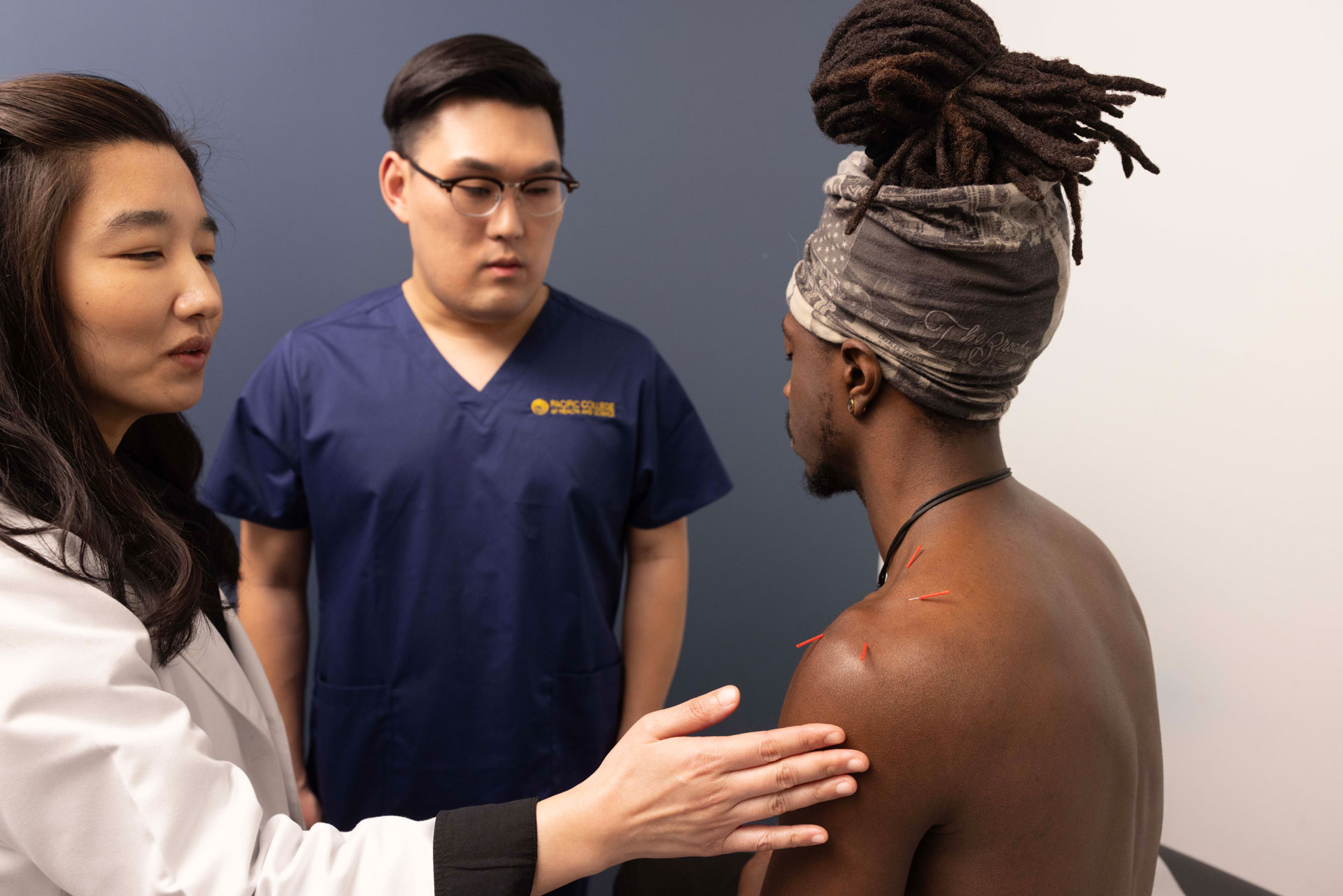
Not every education experience adequately prepares students for the daily duties of healthcare. A lack of theory, expertise, treatment techniques, and patient interaction ethics can put a new acupuncturist at a severe disadvantage. This highlights how critical it is to complete a degree at a school that provides a thorough and well-rounded integrative medicine education, both in the classroom and clinic.
A well-rounded acupuncture degree program will blend traditional Chinese medicine practices with Western medical sciences, providing students with the knowledge and confidence to deliver effective treatment in today’s modern healthcare environment.
Key elements that make up a comprehensive foundation include:
- Strong Theoretical Basis in traditional Chinese medicine
- Integration of Biomedical Sciences
- Extensive Supervised Clinical Training
- Clear Pathway to Licensure
- Ethical and Professional Training
- Faculty Who Are Active Practitioners
- Training in Adjunct Therapies
- A Cohesive Philosophy of Medicine
With these areas covered, a graduating student will be better prepared to succeed as an acupuncturist.
Red Flags to Consider For an Acupuncture Program
When looking at prospective schools, it is essential to get an accurate representation of the institution’s curriculum, support, and student outcomes. And when researching, there are a handful of immediate red flags to look out for.
Noticing these early on can help save you time, energy, and potential headaches down the road as you decide what program will best serve your unique needs.:
- Questionable or Missing Accreditation
- Unclear Clinical Hour Requirements
- Poor Board Exam Pass Rates (or No Transparency)
- High Student Attrition Rates
- Faculty With Limited Clinical Experience
- Overemphasis on Marketing Over Substance
- Minimal Integration of Biomedical Sciences
- Poor Student Support Systems
- Limited Career Preparation

How to Evaluate a Truly Comprehensive Education
After understanding the non-negotiable foundations of an acupuncture program and scanning for red flags, how should you go about assessing the depth and quality of a program?
Another vital element is looking for references and data that is verified from a third-party source (like College Scorecard , Niche.com or U.S. News & World Report). Institutions want to brand and price themselves as a top-tier option, when, in reality, that isn’t always the case. Finding independent sources that transparently give you a full picture of the acupuncture school will help you form your own judgment if the program is the right fit.
Additional things to keep in mind when looking at schools:
- Pull the Program Catalog
- Check with State Licensing Boards
- Ask Direct, Specific Questions in Info Sessions (or with Admission Advisors)
- Contact Alumni on LinkedIn
- Tour the Student Clinic (If Possible)

What Should Acupuncture Studies Include?
The curriculum is arguably the most important component to scrutinize when checking into acupuncture schools. These educational frameworks dictate the outcomes of students and establish the groundwork for their careers post-graduation.
A lot of your research time should be spent understanding what courses are required, what specializations are offered, and what core work is taught through these classes and clinical capstones. Keep in mind, an acupuncture program should be holistic in both theory and practical application, ensuring that you are taught from traditional Chinese medicine, but also with skills that are relevant to the demands of modern acupuncturists.
Work through auditing each course, and compare descriptions and the degree of details with other program curricula. A good example of a comprehensive curriculum can be found here.
Key classes to look for include:
- Foundations of Traditional Chinese Medicine
- Acupuncture Channels and Points
- Needle Technique
- Treatment of Orthopedic Disorders
- Diagnosis and Treatment of Disease
- Biological Aspects of Physics
- Eastern and Western Nutrition
- Anatomy and Physiology
- Clinical Research Design and Statistics
- Practice Management and Ethics
- Clinical Counseling
- Chinese Herbal Medicine
Assessing The Faculty & Staff
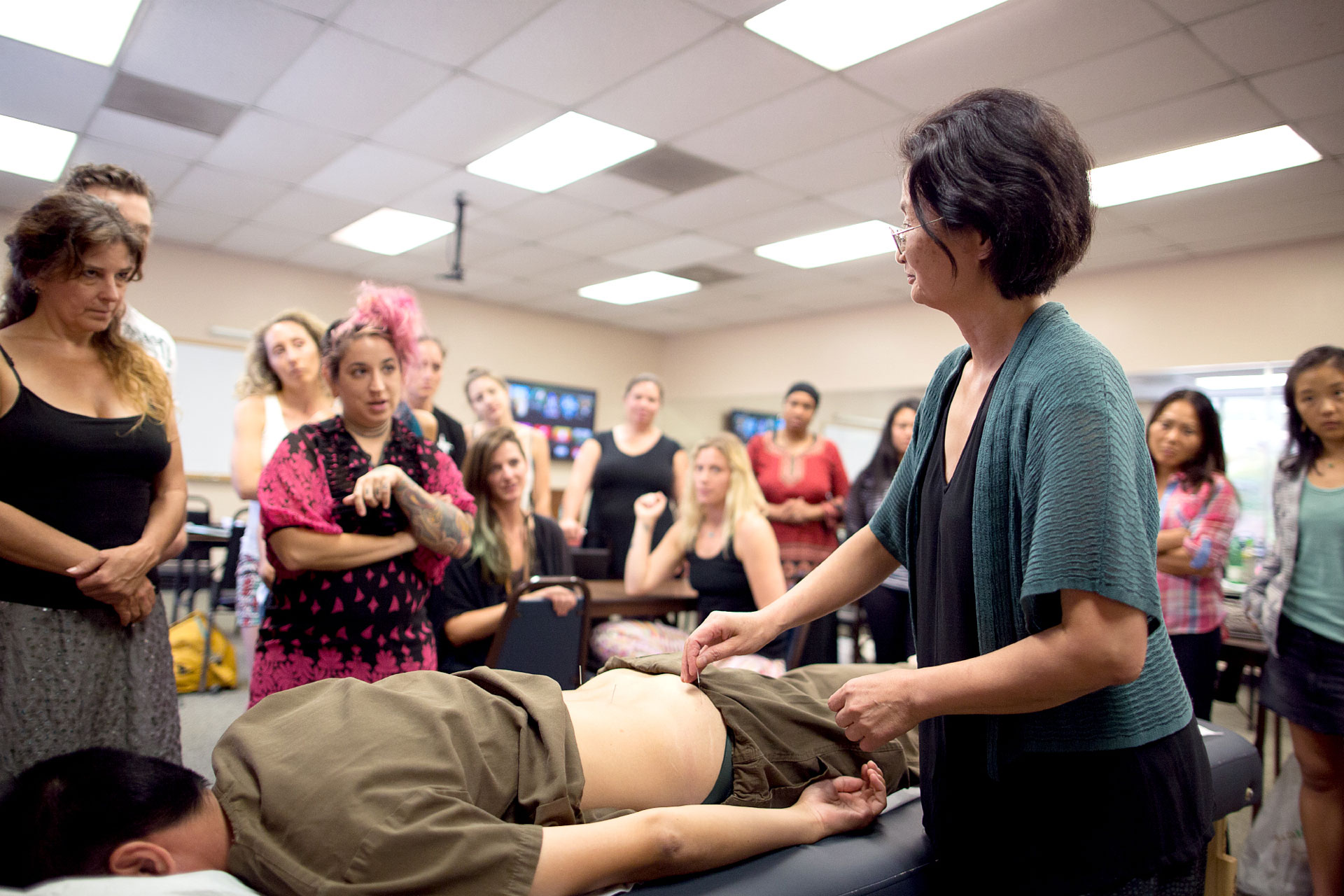
As a medical practitioner with a strong blend of theory and hands-on application, who you learn from plays a big role in your comprehension and execution of acupuncture practice. Therefore, assessing the quality and quantity of faculty is a factor to consider when picking a school.
The future performance and outcomes of graduates are influenced by the value instructors provide during the program. As you work to discover who might be teaching you at a particular school, take into account items like faculty-to-student ratios, faculty awards/recognition, teaching tenure, who is actively practicing acupuncture, and more.
Having a well-experienced, plugged-in faculty staff to learn from can make the difference between a new acupuncturist who is confident and prepared and one who feels as if they are not capable of jumpstarting their career. If possible, prospective students should seek to speak to past students or faculty members themselves to get a sense of their educators.

Clinical Training & Hands-on Experience
Acupuncture is a highly skilled medical service. It involves a direct, hands-on approach in order to effectively treat patients. While mastering theory is essential, it is the depth of clinical experience that can make the difference between an average acupuncturist and a great practitioner.
Potential students should prioritize acupuncture programs that offer extensive clinical experience, including hundreds of hours of practical training on site and across various integrative healthcare settings. This profession cannot be effectively learned solely through lectures or textbooks. Mastery in acupuncture relies on hands-on practice and experiential learning, which are essential for developing the skills necessary to excel in this field.
To best position yourself for success, find a program that emphasizes the clinical component of the program, working to solidify that students are technically equipped to diagnose and treat a wide variety of patient conditions and needs.
Pick an Acupuncture Program Based on Your Own Research
Once you have evaluated all your programs of interest, it is important to take a step back to look at all your notes, research, and gut feelings. This is a highly personal decision that should be made by you, based on what you believe to be the best environment for your goals.
This includes the tuition price and elective specialization courses you have an interest in. The school you choose can significantly impact your skill set, career satisfaction, and mindset. Remember to take your time, talk with your support system, and rely on what feels right, both now and in the future.
Ready to Explore Pacific College?
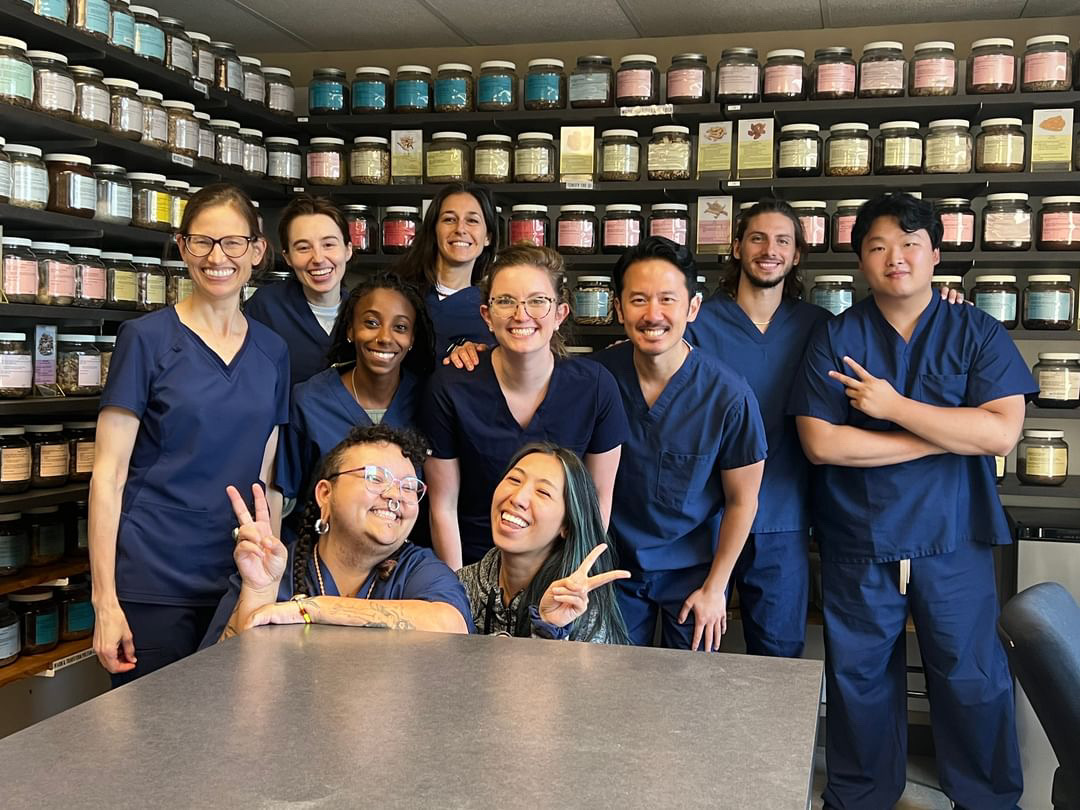
Choosing the right school for your acupuncture degree is a big decision, and having clear, accurate information makes all the difference in becoming a licensed acupuncturist. Pacific College of Health and Science offers accredited acupuncture programs grounded in Chinese medicine, hands-on clinical training, and integrative healthcare education.
If you’re ready to learn more about degree options, explore Pacific College’s acupuncture programs and connect with an admissions advisor to discuss your questions and goals.
Featured Posts: