Thinking About Acupuncture School? (What to Consider)
There is a growing interest in holistic and Chinese medicine as individuals seek more treatment options that don’t focus on prescription drugs or invasive procedures when appropriate and medically safe to do so. As a result, acupuncture treatment is becoming a go-to option for individuals with a variety of health concerns. This increased demand is translating into more job opportunities for those interested in working as acupuncturists.
If you’re someone passionate about holistic health and non-traditional treatment, you may be considering a career in Acupuncture. Though the field of acupuncture may resonate with you both personally and professionally, there are a few things to consider.
In this article, we’ll dive into:
- Who is a good candidate for acupuncture school
- How to decide if this career path is right for you
- The structure and design of an acupuncture program
- Future projections of the acupuncture field
- How to do more personal research on the profession
Who is a Good Candidate for Acupuncture School?
A wide variety of people would thrive in a career as an acupuncturist, and while not every successful individual has the same makeup, there are several core factors that increase future success within the field. As with any type of program, it is important to understand the demands and how it fits with your current life circumstances, personal aspirations, and long-term goals before jumping into the application process.
There is no set model of a “good candidate,” but there are consistent factors that indicate someone would be successful (and happy) within an acupuncture program.
If you’re drawn to holistic and integrative medicine, acupuncture may be a natural fit. Acupuncturists see the body as an interconnected system, where mind and body work together to support overall health. Therefore you will likely view health through the lens of:
- Addressing the root cause, not just managing the symptoms
- Personal well-being includes mental, physical, and spiritual health
Another core characteristic of someone who would potentially thrive in an acupuncture program is being a relationship builder. Part of what sets acupuncture care apart from traditional Western medicine is the emphasis on spending more time with your patients. The perception of the typical healthcare system within the United States often prioritizes quantity and maximizing patient volume, with many patients feeling like they don’t get the time to really discuss their health with a provider.
An acupuncture program teaches students that getting to know the whole health story of a patient is critical to treatment effectiveness. You should have the desire to build a strong foundation with patients, seeking to understand their lifestyle, past healthcare experiences, wellness goals, and more. A deeper understanding and connection with patients helps develop more personalized treatment plans, increasing the odds of treatment success and patient satisfaction.
A third common trait of a “good candidate” is someone who is a self-starter and has a desire for career entrepreneurship. Acupuncturists have a high degree of autonomy and career choice within the field. A successful student will prefer the spectrum of choice that comes with the occupation, as opposed to many other healthcare careers that have rigid work schedules and environments.
For example, nurses are commonly stuck in hospital settings, where 12-hour shifts are the norm. Acupuncturists often have the freedom to join varying work settings, like integrative health clinics or starting their own private practice with both of these options allowing acupuncturists to set their own schedules.
Lastly, students should be prepared for rigorous coursework. As with most healthcare degrees, an exhaustive list of reading materials and first-hand clinical work is required for program graduation. With acupuncture blending a variety of health sciences, such as anatomy and pharmacology, there is a high responsibility on students to master the theory and clinical aptitude associated with acupuncture. Therefore, a successful student within an acupuncture program will be equipped with a strong work ethic, an inquisitive nature, and an eagerness to apply themselves to the coursework.
While these factors are by no means required for someone to pursue a degree in acupuncture or become successful in the field, they are indicators of a strong likelihood of positive outcomes.
How to Decide if This Career Path is Right for You
Whether you are completing high school or are a professional with years of work experience, you have to have an honest conversation with yourself to determine if a formal education in acupuncture is the best choice. Desire does not equal fit.
In weighing your education and career options, it is important to take note of your current life situation. Some questions to ask yourself include:
- Do I have the time for a multi-year program?
- Is daily patient interaction and communication something I will enjoy?
- Am I comfortable with being in control of my schedule?
- Is Eastern medicine something I truly believe in?
- Is hands-on patient treatment something I feel comfortable doing?
- Am I motivated by helping people feel better, even if progress is gradual?
- Is this a career I could see myself doing decades from now?
- Am I okay working hours that might not fall into a traditional 9 – 5?
- Am I comfortable advocating for holistic healthcare to patients?
- Will I be okay with making my own clinical decisions?
- Can I set and enforce boundaries with patients?
- Is herbal medicine something I’m interested in?
- Will I be able to tell a patient if acupuncture isn’t a good fit for them?
- Will this sector of healthcare make me happy?
This is only a starting list of questions to consider. Whether you’re 18 or 58, career investment is a decision to consider thoroughly. It’s worth talking to family and friends to discuss the potential of attending an acupuncture program. Gaining outside perspectives and ideas can go a long way in helping you determine the right career path.
The Structure and Design of Acupuncture Programs
If you’re thinking about earning a degree in acupuncture, you should look into each specific program to understand how the curriculum and clinical experiences are designed. Acupuncture programs are graduate-level, meaning that a bachelor’s degree is a prerequisite.

Most acupuncture programs span three to four years in length and allow you to choose from a master’s or doctorate with or without a Chinese herbal medicine specialization. In the first few years of an acupuncture program, students will build a strong foundation in traditional Eastern theory and physiology basics. Key areas of attention during this period include:
- Yin-Yang Theory
- Five Element Theory
- Qi, Blood, and Body Fluids
- Meridians and Acupuncture Points
- Anatomy and physiology
- Medical Terminology (included only in degrees with Chinese herbal medicine specializations)
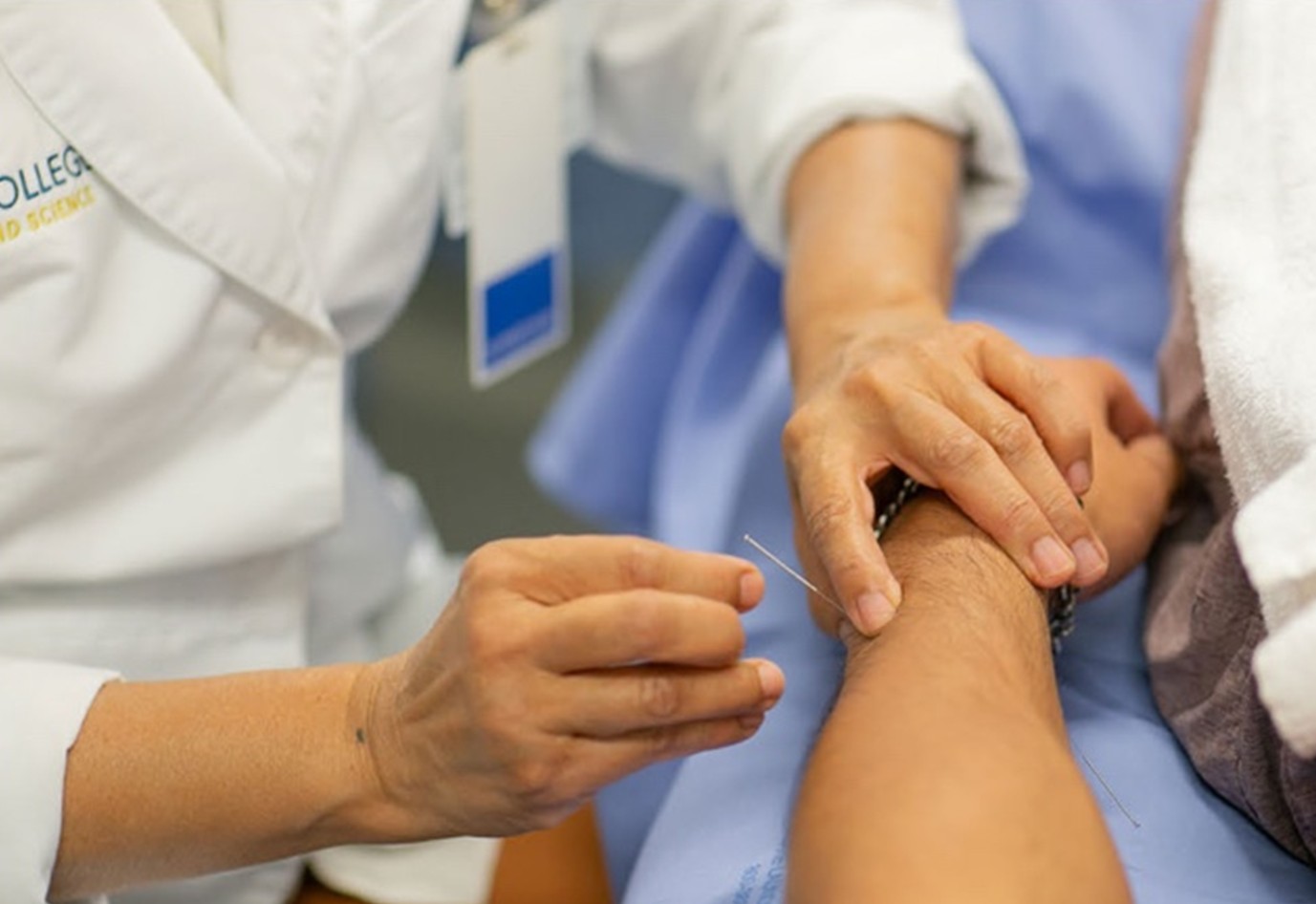
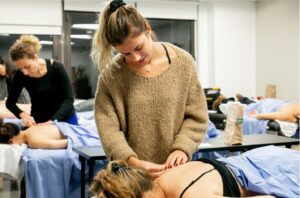
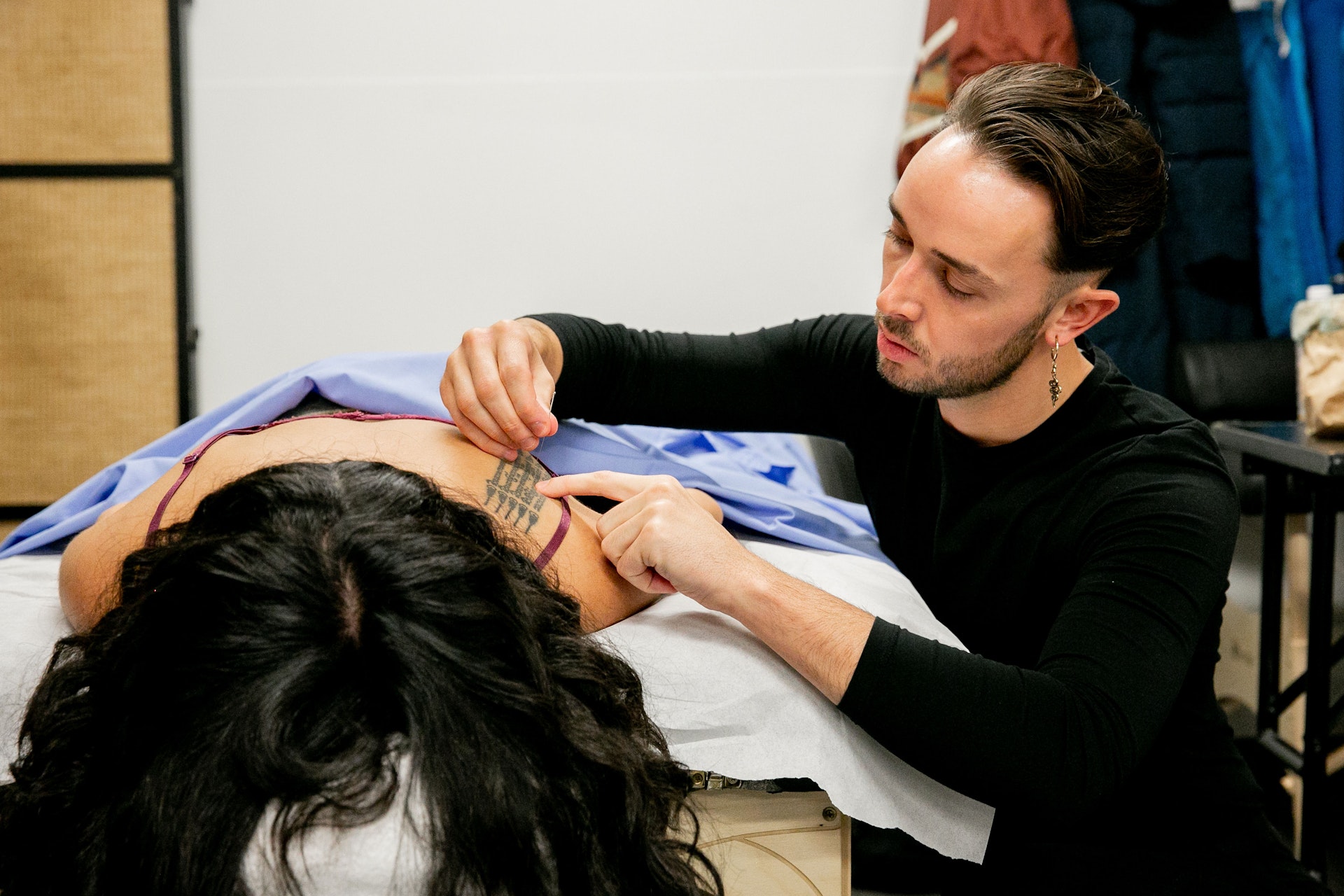
In years 3 and 4, most programs turn attention toward hands-on clinical teaching and experience. Here is where students will practice acupuncture and develop their skill sets for treatment in a variety of modalities such as needling, cupping, gua sha, and more.
By the final year of your program, you will be working in a supervised clinical internship with healthcare professionals, further strengthening your treatment skills, care planning, and patient communication. By the end of your program, students will have a deep understanding of acupuncture techniques, ethical best practices, condition/disease recognition, legal guidelines, and documentation protocols.
Acupuncture programs provide a holistic, comprehensive learning experience for students, giving them a complete tool set to begin their healthcare career once they earn their state licensing requirements.
Will an Acupuncture Degree Pay Off in the Future?
A shift is happening within the healthcare industry, caused largely by the desire of people to reduce their reliance on and default to Western medicine. There is a pushback from Americans, who are realizing that being less dependent on prescription drugs and invasive procedures can be a good alternative for their healthcare. This translates to an increase in holistic, natural medical treatments, such as acupuncture.
Use of acupuncture for pain management has increased from 55% in 2002 to 72% in 2022. With this growing demand from the public, job opportunities within this field are also on an upward trend. The Bureau of Labor Statistics (BLS) projects complementary and alternative medicine (CAM) roles to grow faster than average between 2024 and 2034. Acupuncture opportunities are specifically projected to grow by 6.8% during this timeframe.
With acupuncturists having the ability to scale income at their own discretion, there is great potential in deciding personal income level.
Another key attraction to this profession includes high job satisfaction. Acupuncturists commonly state overall happiness with their careers, in part due to the strong relationship building between patient and provider, flexible work hours, income potential, and visible health impacts for patient populations.
The Next Step: Do More Research on Accredited Acupuncture Programs
As with any major life decision, detailed research should be conducted to best position yourself for success and a positive outcome. If you are considering acupuncture school, looking into more sources, industry experts, and real-life testimonials will help you make an informed decision about your future.
Pacific College of Health and Science Admission Representatives are happy to discuss program information and potential fit for your career goals. Other avenues to information regarding the acupuncture program experience and daily job responsibilities can be found via YouTube, Reddit, and other social platforms. These outlets can help give a true-to-life picture from individuals who have completed acupuncture schooling and currently work in the field.
For a more professional organization perspective, these additional resources can help give further insight:
Ready to Take the Next Step in Integrative Medicine?
If you’re seriously considering a career in acupuncture, choosing the right program matters. Pacific College of Health and Science offers accredited acupuncture education grounded in clinical excellence, integrative healthcare, and hands-on training, offering master’s and doctoral degrees. With experienced faculty, robust student clinics, and a long-standing commitment to whole-person care, PCHS prepares students for licensure and to enter the profession with confidence.
Explore Pacific College’s acupuncture programs today for your next steps!